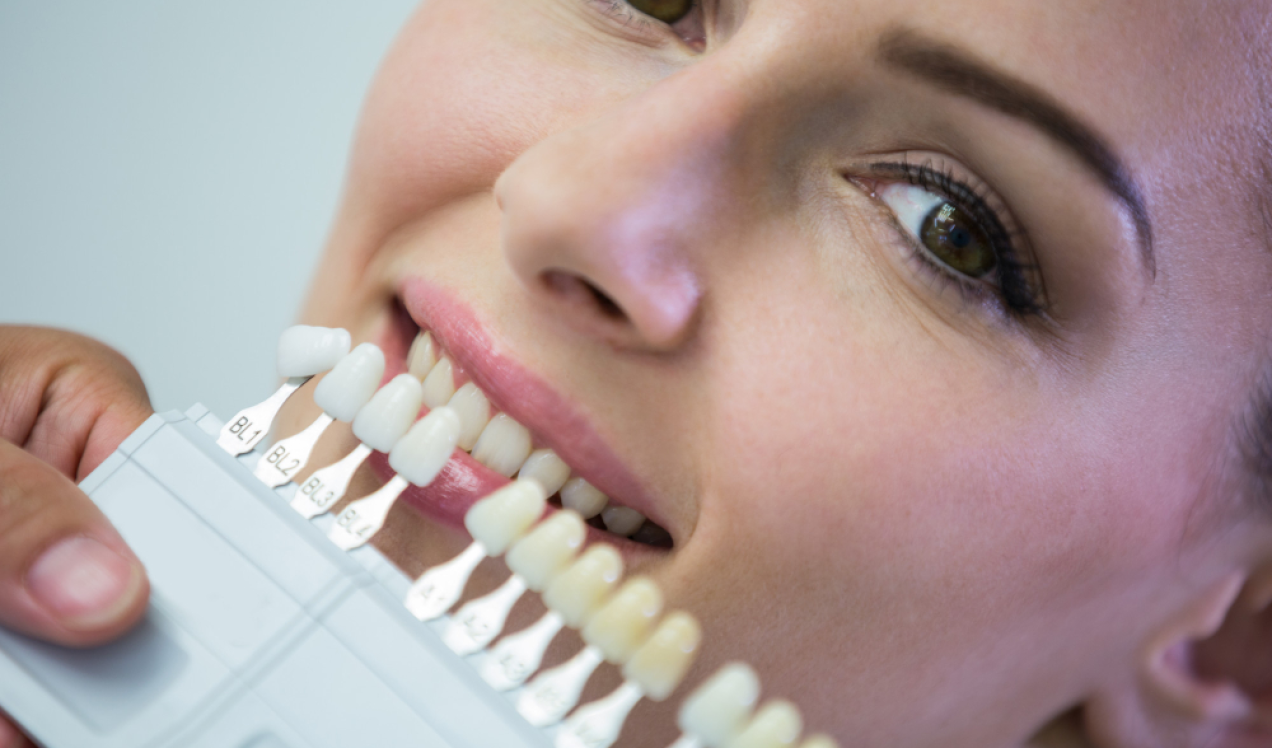

Veneers vs Crowns: Understanding the Difference Through Your Dentist’s Eyes

Choosing between veneers and crowns is one of the most common decisions people face when considering dental treatment. Both options can improve the appearance of your smile, but they serve different purposes and are recommended in different situations. Understanding these differences is important, especially when your oral health, long term function and overall safety are involved.
The team at Gisborne explains what veneers and crowns are, how each treatment works and when they are typically used; with key differences being in cost, durability and impact on your natural teeth. The goal is to give you clear, trustworthy guidance so you can feel more confident in your decision making, whether you are focused on cosmetic improvements or addressing structural concerns.
Every mouth is unique, and no online resource can replace a personalised assessment. If you are considering veneers, crowns or any other treatment, a qualified dental professional can help you understand the best option for your oral health and long term goals.
What are veneers?
Veneers are thin, custom made shells that are bonded to the front surface of your teeth. They are designed to aestheticize the appearance of your smile by improving the shape, colour and overall uniformity of each member. Veneers sit only on the visible front portion of the tooth, which means most of your natural tooth structure stays intact.
Materials Used in Veneers
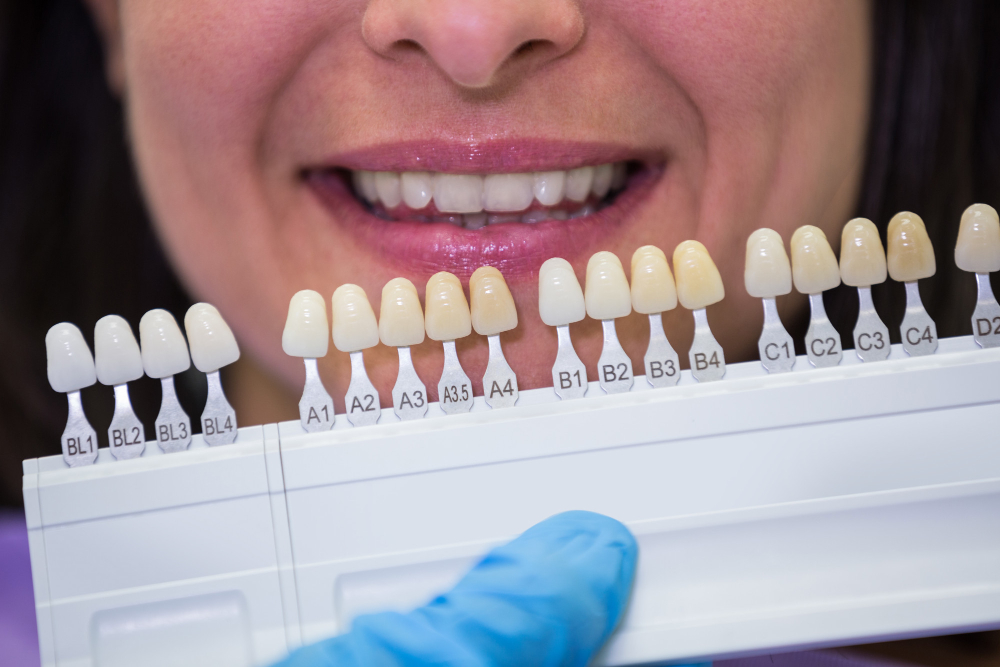
Veneers are typically made from either:
- Porcelain, which offers a natural, translucent look and high stain resistance. Porcelain veneers are known for their durability and lifelike finish.
- Composite resin, which is more affordable and can often be applied in a single appointment. Composite veneers can achieve great cosmetic results, although they are generally less durable than porcelain.
Both materials are colour matched to blend inconspicuously with your natural teeth.
Aesthetic Benefits
Veneers are popular for their ability to transform the appearance of a smile with minimal invasiveness. They can:
- Brighten heavily discoloured teeth
- Improve symmetry and shape
- Close small gaps
- Correct mild misalignment
- Repair small chips or fractures
Because veneers cover only the front surface, they keep the natural tooth largely preserved while creating a noticeable and elegant cosmetic improvement.
When Veneers Are Recommended
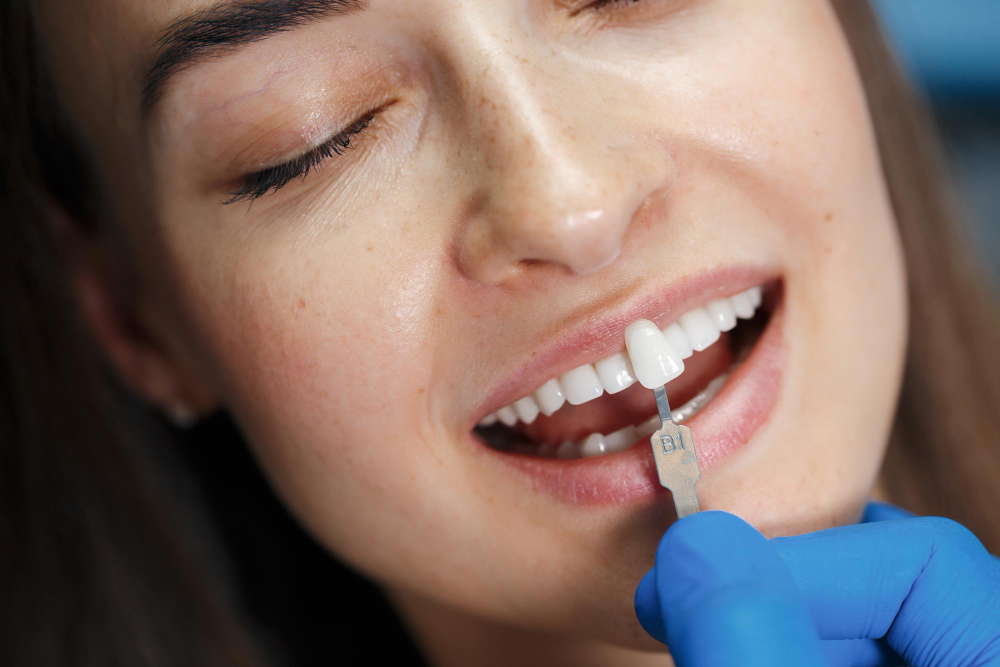
Dentists often recommend veneers for patients who:
- Want a cosmetic enhancement rather than a functional repair
- Have healthy teeth and gums with minor aesthetic concerns
- Have superficial chips, cracks or discolouration
- Are seeking a smile makeover or uniformity across multiple teeth
Veneers work best, in other words, when the underlying tooth structure is strong, as they are intended to improve appearance rather than restore severely damaged or weakened teeth.
What Are Crowns?

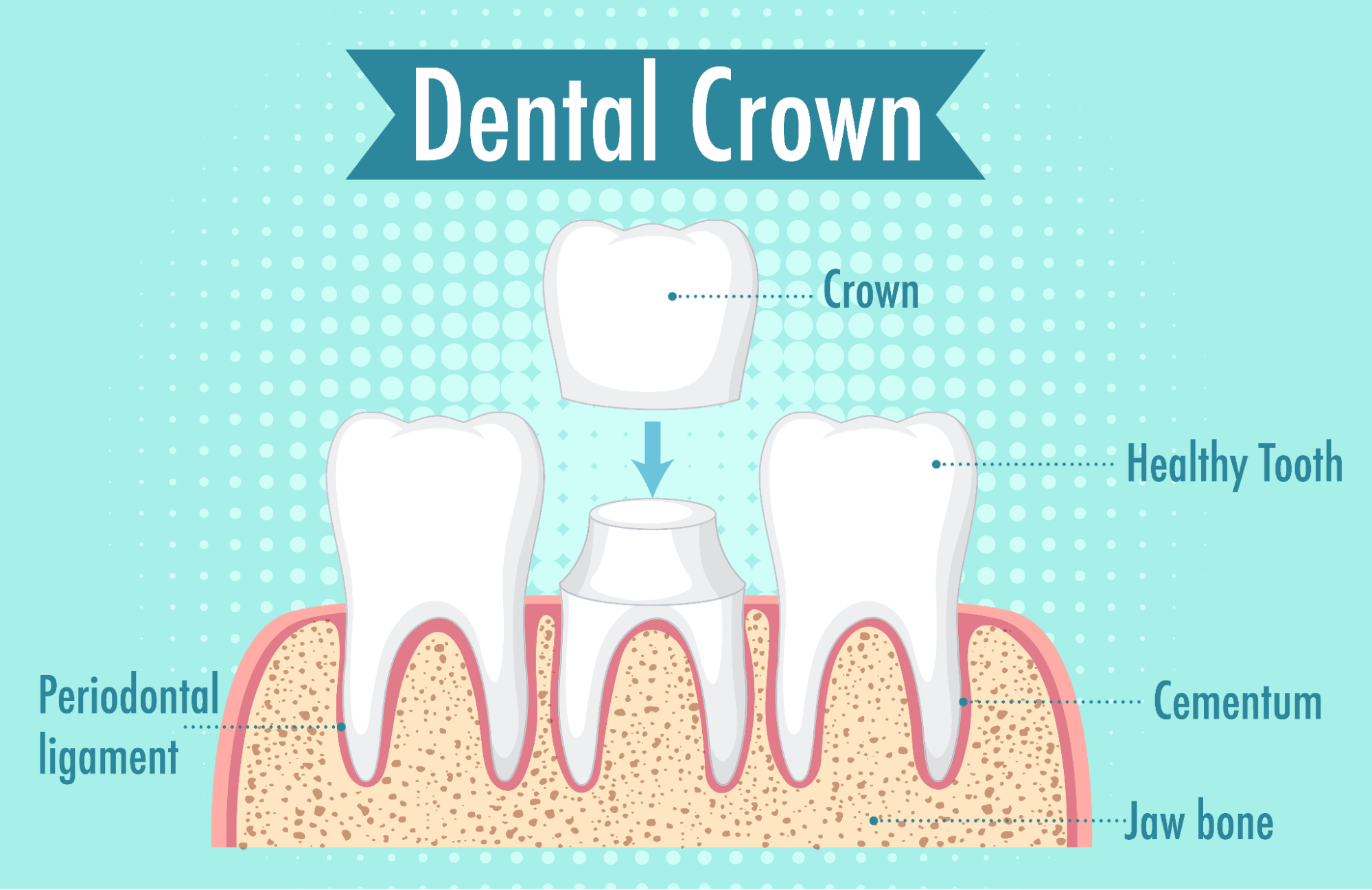
Crowns are full coverage dental caps that completely encase a tooth to protect it, strengthen it and restore its natural shape and function. Unlike veneers, which cover only the front surface, a crown sits over the entire tooth to completely protect the existing enamel and bone from further damage. Crowns are commonly used when a tooth is too damaged or weakened for a veneer or filling.
Materials Used in Crowns
Crowns can be made from a range of materials, each chosen for its strength, appearance or suitability for different parts of the mouth.
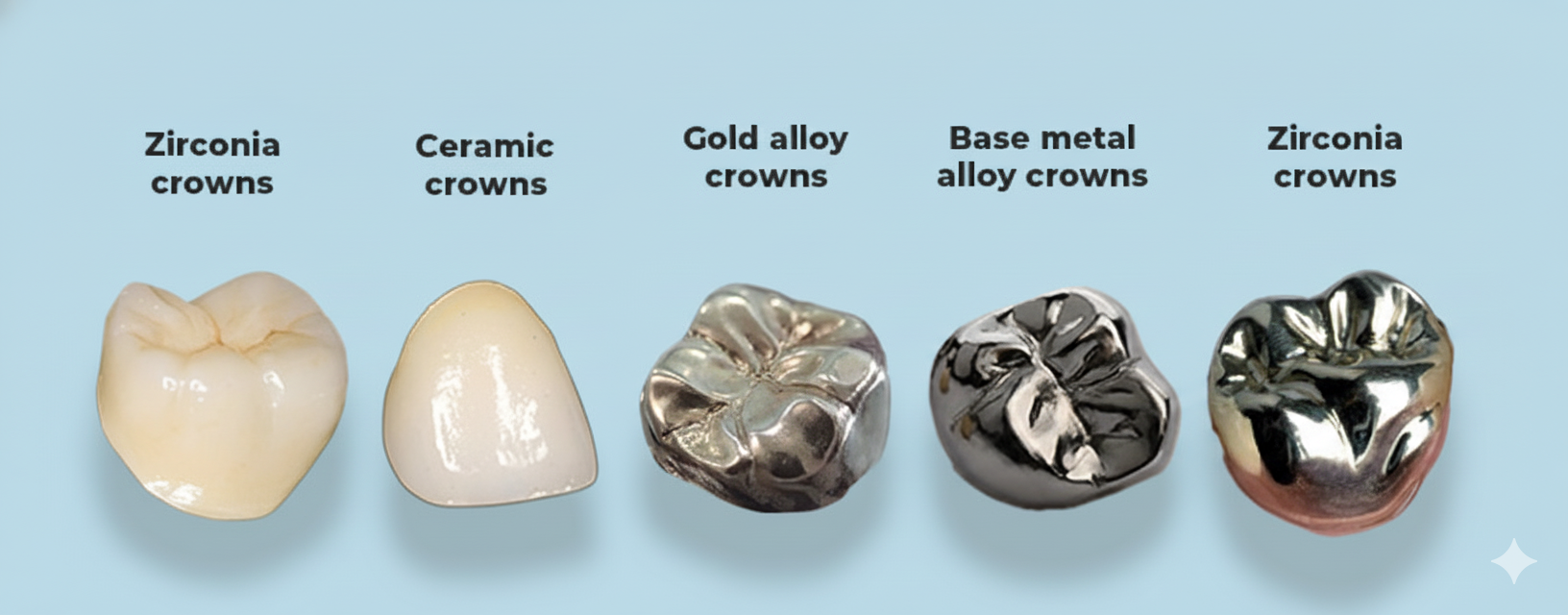
Types of Dental Crown Materials:
- Porcelain or Ceramic: These materials mimic natural tooth appearance, making them ideal for visible front teeth, where many feel that aesthetics amd uniformity are a priority.
- Zirconia: Known for its exceptional strength, Zirconia is well-suited for molars or patients who exert significant biting forces.
- Porcelain Fused to Metal (PFM): This option provides a combination of strength from the metal base and an appealing aesthetic outer layer of porcelain.
- Gold Alloy: Highly durable and gentle on opposing teeth, Gold Alloy is often the material of choice for back molars.
Each material has benefits depending on the location of the tooth and the patient’s functional needs.
Functional Benefits
Crowns are a reliable way to restore a tooth’s structure and long term function.
They can:
- Reinforce teeth that are cracked, fractured or worn down
- Restore strength after a root canal
- Protect teeth with large or failing fillings
- Improve bite and chewing ability
- Provide both cosmetic and functional improvement when needed
Crowns are especially important when a tooth can no longer support everyday chewing forces on its own.
When Crowns Are Typically Used
Dentists often recommend crowns for:
- Teeth with significant decay or structural damage
- Teeth that have undergone root canal treatment
- Cracked or broken teeth that cannot be repaired with a filling
- Restoring badly worn down teeth
- Supporting dental bridges or covering dental implants
Crowns offer a durable, long lasting solution when a tooth requires more protection and strength than a veneer can provide.
Veneers vs Crowns - Key Differences and How to Choose
Veneers and crowns can both improve the appearance of your teeth, but they are designed for different purposes. Understanding how each treatment works, how much tooth structure is involved and what problems they address will help you make a confident and informed decision.
Application Process
Veneers
Veneers are thin shells bonded to the front surface of the tooth. The preparation is minimal and usually involves removing a small amount of enamel so the veneer sits naturally. They are ideal for cosmetic enhancement without altering the whole tooth.
Crowns
Crowns encase the entire tooth and require more reshaping. Once an image or impression of the ideal tooth shape to ergonomically fit into your mouth has been designed, , your dentist will then bond the crown to your damaged tooth with a dental adhesive. Hardening of the adhesive typically finalises over 2 weeks, following this, allowing for bonding to complete, and eating habits to be restored from initial sensitivity or pain. This makes crowns suitable for repairing structural or functional problems rather than cosmetic concerns alone.
Durability and Longevity
Veneers
Porcelain veneers generally last 7 to 10 years, and sometimes longer. They are strong but thinner than crowns, so they work best for surface level cosmetic concerns rather than heavy chewing forces.
Crowns
Crowns typically last 10 to 15 years or more, depending on the material and oral habits. Because they surround the entire tooth, crowns provide greater structural support and long term durability.
Impact on Natural Tooth Structure
- Veneers preserve more of the natural tooth, making them a conservative option when the tooth is healthy.
- Crowns require more reduction but offer stronger reinforcement for compromised teeth.
Cost Differences
The cost of veneers and crowns varies depending on the material, tooth location, and the level of customisation required. As a general guide:
- Composite veneers: From $350 to $650 per tooth
These are more affordable and usually completed in a single visit. They’re ideal for minor cosmetic improvements but may not last as long as porcelain. - Porcelain veneers: From $1,200 to $2,000 per tooth
These are custom-made in a dental lab and offer a natural look with greater durability, making them a popular choice for long-term cosmetic improvements. - Crowns: From $1,600 to $2,500 per tooth
Crowns involve more preparation and full coverage of the tooth, often using materials like porcelain-fused-to-metal, zirconia, or full ceramic for strength and function.
In some cases, crowns may be eligible for private health insurance rebates, especially if placed for restorative or functional reasons (such as a cracked, broken or root canal-treated tooth). Veneers, on the other hand, are generally considered cosmetic and unlikely to be covered.
To get an accurate quote, it’s best to have a personalised consultation. The dentist will assess your needs and discuss the most suitable options for your smile and budget.
Aesthetic vs Functional Benefits
When Veneers Are Best
Choose veneers if your goals are cosmetic and your teeth are otherwise healthy. Veneers are ideal for:
- Whitening and colour correction
- Improving shape and symmetry
- Closing small gaps
- Minor chips or enamel imperfections
When Crowns Are Best
Choose crowns if your tooth needs protection, strength or full structural restoration. Crowns are recommended for:
- Cracks or fractures
- Large fillings that no longer support the tooth
- Teeth that have undergone a root canal
- Severely worn down or damaged teeth
- Teeth that must withstand strong bite forces
How to Decide Which Option Suits You
Think about your main priority:
- Cosmetic improvement only → Veneers
- Structural repair or long term protection → Crown
- Both cosmetic and functional needs → Often a crown
Your oral health also plays a major role:
- Healthy teeth with minor aesthetic concerns respond well to veneers.
- Weakened, decayed or heavily restored teeth typically require a crown to prevent future damage.
A dentist may also suggest a combination of veneers and crowns in larger smile transformations, depending on the condition of each individual tooth.
At a Glance: Quick Comparison Table
Feature | Veneers | Crowns |
Coverage | Front surface only | Entire tooth |
Main Purpose | Cosmetic enhancement | Strength, protection and cosmetic |
Tooth Reduction | Minimal | Moderate to extensive |
Durability | 7 to 15 years | 10 to 20 years |
Best For | Discolouration, shape, minor chips | Damage, fractures, root canal teeth |
Cost | Lower | Higher |
Insurance | Typically no | Sometimes yes |
Crowns vs Caps: Are They the Same?
The terms crowns and caps are often used interchangeably, which can create some confusion for patients. In modern dentistry, both words refer to the same treatment.
Why the Two Terms Exist
Traditionally, “cap” was the informal, everyday term used to describe a restoration that covers the entire tooth. Over time, dental professionals moved toward the term “crown” because it more accurately describes the function and design of the restoration.
What They Both Mean
Crown, sometimes referred to as a cap, is a restoration designed to fully cover a damaged or weakened tooth, providing complete coverage and protection. Its function is to restore the tooth’s original shape, size, and appearance for strength and function, while also improving its cosmetic appeal as a visually undisturbed tooth. Crowns can be fabricated from various materials, including porcelain, ceramic, zirconia, or metal alloys.
There is no difference in how the treatment is performed or how the final result functions.
Veneers vs Crowns: Real Examples
As your dentist, one of my responsibilities is helping you understand why certain treatments are recommended over others; veneers and crowns can both improve your smile, but the reasons for choosing one instead of the other are very different. Here are a few real world examples I often see in the clinic:
Scenario 1: When You Want a Cosmetic Upgrade
Your goal: A brighter, more even smile.
What I see: Healthy tooth structure with mild discolouration or minor shape concerns.
My recommendation: Veneers
In this situation, your teeth are strong and only need cosmetic improvement. Veneers help to refine the colour, shape and symmetry without heavily altering the natural tooth. They are a conservative and effective option for enhancing your smile.
Scenario 2: When a Tooth Cracks Suddenly
Your goal: Relief, comfort and protection.
What I see: A crack running through the tooth, often after biting something hard.
My recommendation: Crown
A cracked tooth needs strength and protection. A veneer only covers the front surface, so it cannot reinforce a weakened tooth. A crown encases the entire tooth, preventing the crack from spreading and restoring your ability to chew safely.
Scenario 3: After a Root Canal
Your goal: Long term stability.
What I see: A tooth that has been weakened because the nerve has been removed.
My recommendation: Crown
Root canal teeth become more brittle over time. A crown acts like a helmet, protecting the tooth from fractures. This is essential for keeping the tooth healthy and functional in the long term.
If you are considering veneers, crowns or any other cosmetic or restorative treatment, the next step is a personalised assessment with a qualified dental professional. Every smile is unique, and a consultation allows your dentist to examine your teeth, understand your goals and recommend the safest and most suitable option for your long term oral health.
A short appointment can give you clear guidance, accurate pricing and peace of mind about the treatment that will work best for you.
Ready to explore your options?
Book a consultation online or contact our team to schedule your appointment. We are here to help you make a confident and informed decision about your smile.
FAQs
Veneers generally cost less than crowns, especially if they are made from composite resin. Porcelain veneers sit in the mid range, while crowns are usually more expensive due to the extra materials and processes involved in order to produce a full coverage design over the concerned tooth. Prices vary between clinics and depend on the material used, the tooth being treated and the complexity of the case. Your dentist can provide an accurate quote after assessing your teeth.
Porcelain veneers usually last between 7 and 15 years with good oral hygiene and regular check ups. Crowns often last 10 to 20 years or longer because they offer full coverage and are designed to withstand heavier biting forces. Longevity depends on the material chosen, your oral habits and how well the underlying tooth is protected.
Yes. Both veneers and crowns can be replaced if they chip, crack or wear down over time. Your dentist will assess the cause of the damage, check the health of the underlying tooth and recommend the safest replacement option. Early intervention helps prevent further issues.
All dental treatments carry some level of risk, although complications are uncommon when performed by a qualified dentist. Possible risks include:
- Tooth sensitivity
- Damage to surrounding teeth
- Chipping or cracking over time
- Gum irritation
- Need for replacement in the future
Your dentist will discuss any potential concerns during your consultation and ensure the treatment is appropriate for your oral health.
Porcelain veneers and ceramic crowns are highly resistant to staining. Composite veneers can stain more easily and may need occasional polishing. Regardless of the material, maintaining good oral hygiene and limiting strong staining foods can help keep your restoration looking its best.
Most patients experience little to no discomfort during the preparation of veneers or crowns. Dentists use a local anaesthetic to ensure the procedure is comfortable. Mild sensitivity may occur afterwards, but this usually settles within a few days.
Most private health insurance policies classify veneers as cosmetic, so they are not usually covered. Crowns may be partially covered when required for functional or restorative reasons. It is best to check your policy or speak with your insurer for clarification.