
Composite vs Porcelain Veneers: The Ultimate Guide on Materials, Procedure, Cost, and More
A captivating, confident smile can transform not only your appearance, but also your sense of self as the individual you imagine yourself to be, more profoundly. Dental veneers represent one of the most effective cosmetic treatments for achieving a smile that you’re happy with, masking imperfections such as discoloration, chips, gaps, and minor misalignments. Two primary options are foremost in the cosmetic dentistry landscape as go-to solutions: porcelain and composite veneers. Each material offers unique advantages, considerations, and investment requirements that directly impact treatment outcomes and long-term satisfaction. This comprehensive guide explores both veneer types in depth examining their material properties, clinical procedures, maintenance needs, cost implications, and ideal candidacy so you can make an informed decision tailored to your smile goals.
Understanding Veneers: Purpose and Applications
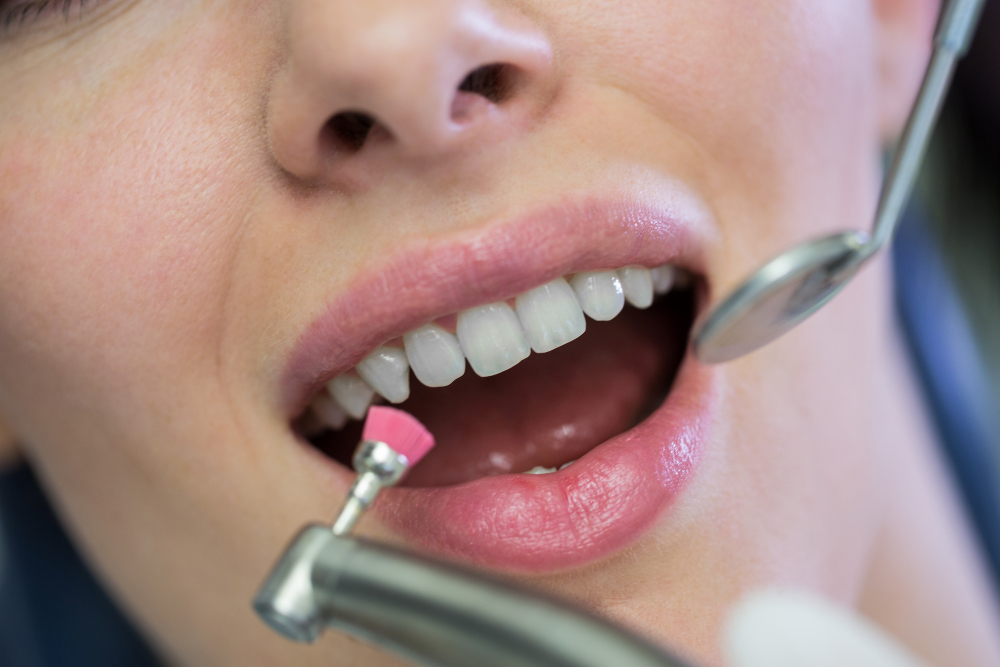
Dental veneers are ultra-thin shells bonded to the front surfaces of teeth to smooth over their aesthetic appeal and mask cosmetic flaws. Unlike crowns, which cover the entire tooth, veneers require minimal alteration of natural tooth structure, preserving most of the enamel. Common indications include:
- Discoloration resistant to whitening
- Chipped, cracked, or worn enamel
- Small gaps or minor misalignment
- Uneven tooth size, shape, or surface irregularities
By selecting the appropriate veneer type and following meticulous treatment protocols, dentists can achieve dramatic smile makeovers with natural-looking results that blend holistically with surrounding dentition.
What Are Porcelain Veneers?

Porcelain veneers are a cosmetic dental solution in a lightweight, durable porcelain material. These ultra-thin, custom-crafted shells are made from high-quality porcelain, a material loved for its natural appearance and impressive strength. Thanks to its translucent quality, porcelain reflects light just like real teeth, allowing the veneers to blend in organically with the rest of your smile.
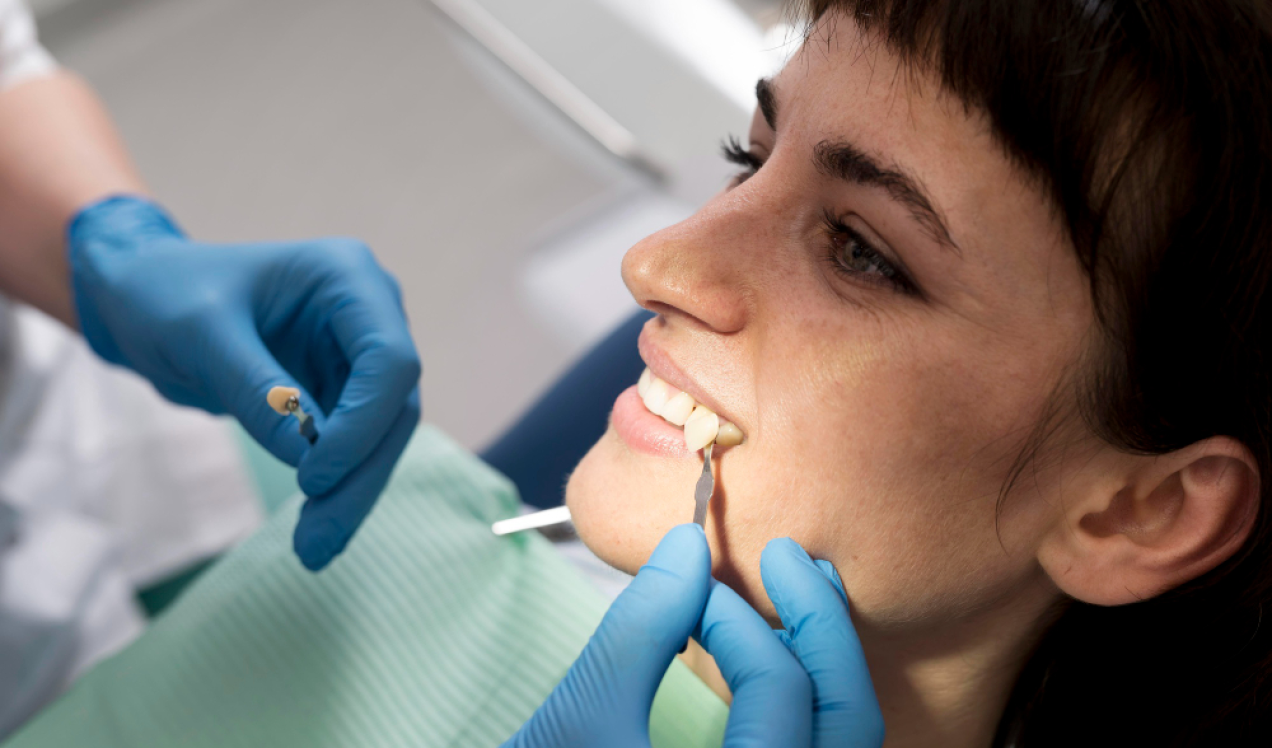
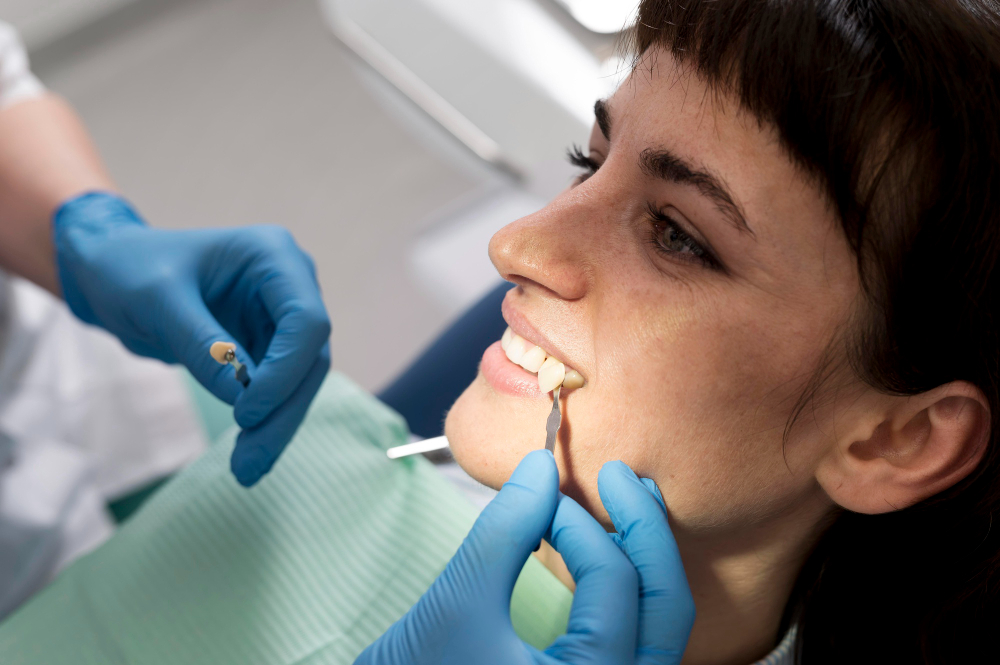
The treatment begins with a careful and precise preparation process. Your dentist gently removes a very thin layer of enamel from the front of the teeth. This small adjustment ensures the veneers sit perfectly in place, and look naturally aligned rather than thick or overtly layered. After this step, detailed impressions are taken to guide the creation of your personalised veneers in a professional dental laboratory.
Experienced technicians then craft each veneer with precision, tailoring the shape, shade and size to complement your natural teeth often with the use of design simulation software like CAD in rendering an initial model. During the final appointment, your dentist securely bonds the veneers to your teeth using a strong dental adhesive. The outcome is a radiant, confident smile that not only looks incredible but also adds a layer of strength and protection to the teeth. Porcelain veneers are a long-lasting, reliable choice for anyone ready to achieve the smile they’ve always wanted.
What Are Composite Veneers?

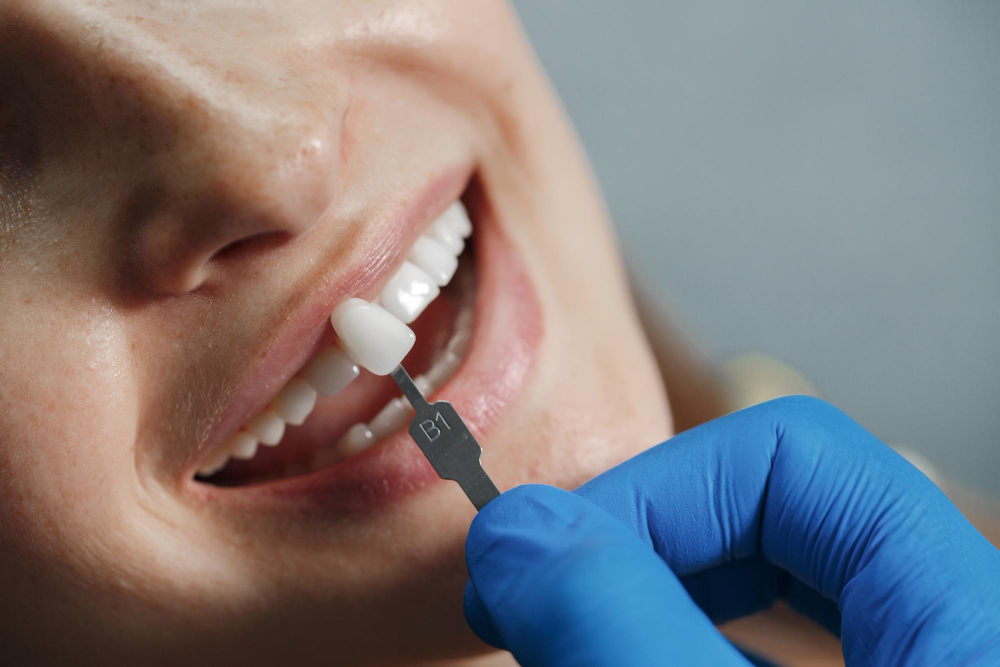
Composite veneers are an affordable and flexible cosmetic dentistry alternative designed to enhance the appearance of your smile. Made from tooth-coloured composite resin, these veneers are carefully colour-matched to blend naturally with your existing teeth. Their adaptable material allows for great customisation, making them a suitable solution for correcting a range of imperfections such as chips, gaps, discolouration or uneven tooth shapes.
One of the biggest advantages of composite veneers is the convenience of the procedure, with treatment being typically completed in just one dental visit. During the appointment, your dentist expertly applies and sculpts layers of composite resin directly onto the surface of the teeth. This hands-on approach allows for precise shaping and smoothing, ensuring the final result looks natural and harmonious with the rest of your smile.
Composite veneers are an excellent choice for patients wanting visible results without removing a significant amount of enamel. Since the veneers are created directly on the teeth rather than in a lab, the process is faster and more cost-effective. This makes composite veneers a popular option for those looking to achieve a brighter, more refined smile with minimal downtime and at a more budget-friendly price.
Material Composition and Properties
Porcelain Veneers
Porcelain veneers are constructed from high-grade dental ceramics, primarily feldspathic porcelain or lithium disilicate. These materials feature a crystalline microstructure composed of silicon dioxide (60–64%) and aluminum oxide (20–23%) that closely replicates natural enamel’s optical properties. The glass-like ceramic undergoes high-temperature firing to create a rigid, non-porous surface with exceptional translucency and light-reflecting qualities.
- Made from feldspathic porcelain or lithium disilicate ceramic with glass-like composition
- Crystalline structure provides exceptional translucency that mimics natural tooth enamel
- Non-porous surface is highly resistant to staining from coffee, tea, wine, and tobacco
- Compressive strength of 350–400 MPa rivals natural enamel for durability
- Brittle material cannot be repaired once damaged; fractures require complete replacement
Composite Veneers
Composite veneers are formulated from a resin-based material consisting of three main components: an organic polymer matrix (typically Bis-GMA or UDMA), inorganic filler particles (quartz, silica, or ceramic microspheres), and coupling agents that bond the resin to fillers. Modern nano-hybrid composites incorporate nanometer-scale fillers for improved polish and aesthetics, though the resin’s molecular structure limits translucency compared to ceramic.
- Composed of Bis-GMA or UDMA resin matrix with inorganic filler particles
- Moderate translucency provides good aesthetics but lacks ceramic’s depth and light reflection
- Porous polymer matrix allows microscopic water and pigment penetration over time
- Lower compressive strength of 100–200 MPa makes composite more susceptible to wear
- Flexible resin can be chemically bonded to fresh material, enabling chairside repairs
Comparing the Procedure: Porcelain vs Composite Veneers
Porcelain Veneer Procedure
The porcelain veneer process requires multiple appointments spanning one to two weeks. During your initial consultation, the dentist assesses your oral health and discusses aesthetic goals. At the preparation appointment, approximately 0.3–0.5 mm of enamel is removed to accommodate the veneer thickness without adding bulk. Detailed impressions or digital scans are sent to a laboratory where custom veneers are crafted over one to two weeks.
- Requires 2–3 dental visits over 1–2 weeks to complete the full process
- Enamel removal of 0.3–0.5 mm is irreversible and permanent
- Laboratory fabrication ensures precise custom fit and optimal shade matching
- Temporary veneers protect prepared teeth while permanent ones are being made
- Final bonding uses light-curing resin cement for secure, lasting attachment
Composite Veneer Procedure
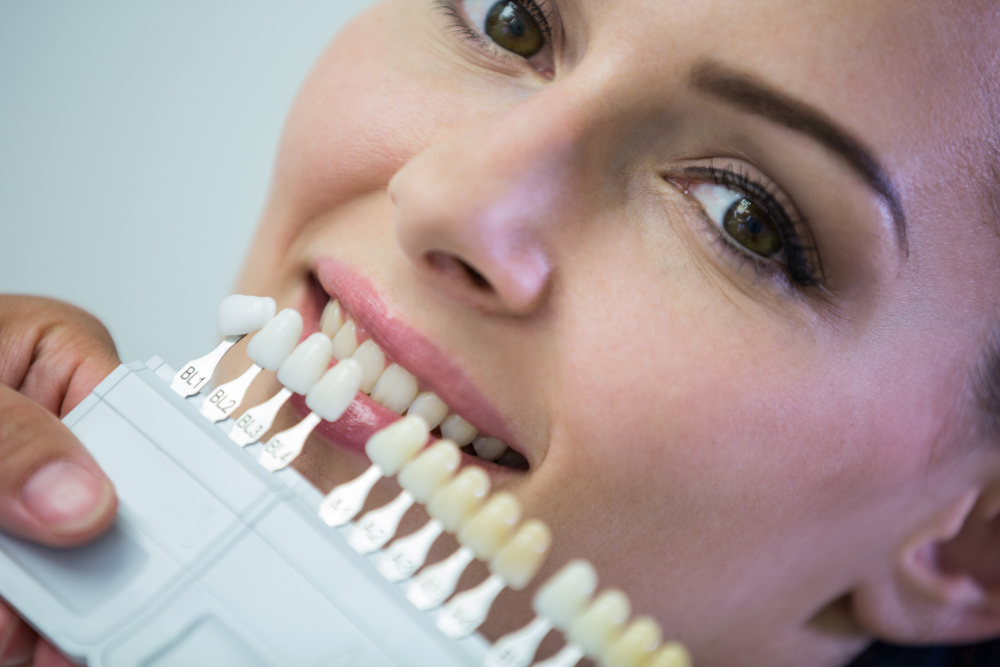
The composite veneer application is completed in a single visit, typically lasting one to two hours. After shade selection, minimal tooth preparation is performed often just light etching. The dentist directly applies tooth-colored composite resin in layers, sculpting and shaping it chairside. Each layer is hardened with a curing light before adding the next, allowing real-time adjustments based on your feedback.
- Single-visit completion from start to finish (1–2 hours total)
- Minimal to no enamel removal required, preserving natural tooth structure
- Direct chairside sculpting allows immediate adjustments and instant results
- No laboratory involvement or waiting period between appointments
- Treatment is largely reversible if desired changes are needed in the future
Cost Analysis: Porcelain Veneers vs Composite Veneers
Porcelain Veneer Costs
Porcelain veneers represent a premium investment in cosmetic dentistry. In Australia, costs typically range from $1,200 to $3,000 per tooth, with major metropolitan areas commanding higher fees. The elevated pricing reflects premium ceramic materials, custom laboratory fabrication by skilled technicians, and the extensive expertise required from cosmetic dentists. While the initial outlay is substantial, the 15–20 year lifespan translates to strong long-term value.
- Cost per tooth: $1,200–$3,000 in Australia
- Six-tooth smile makeover: $7,200–$18,000
- Average lifespan of 15–20 years provides long-term value
- Annual cost per tooth: approximately $60–$200 over lifetime
- Higher upfront investment due to laboratory fees and premium materials
Composite Veneer Costs
Composite veneers offer a more accessible price point for patients seeking smile enhancement on a budget. Australian pricing ranges from $250 to $1,500 per tooth, with most practices charging $400–$800. The lower cost stems from direct chairside application that eliminates laboratory fees and the use of more affordable resin materials. However, the 5–7 year lifespan means multiple replacement cycles may be needed.
- Cost per tooth: $250–$1,500 (typically $400–$800)
- Six-tooth treatment: $1,500–$9,000
- Average lifespan of 5–7 years requires periodic replacement
- Annual cost per tooth: approximately $80–$300 when factoring in replacements
- Lower initial investment but potentially higher lifetime costs due to replacement cycles
Cost Comparison Table
| Cost Factor | Porcelain Veneers | Composite Veneers |
| Single Tooth | $1,200 – $3,000 | $250 – $1,500 |
| Average Lifespan | 15 – 20 years | 5 – 7 years |
| Annual Cost per Tooth | $60 – $200 | $80 – $300 |
| Laboratory Fees | Included in cost | Not applicable |
| Number of Visits | 2–3 appointments | Single appointment |
| Replacement Frequency | Once every 15–20 years | Every 5–7 years |
Long-term Value | Higher (fewer replacements) | Lower (multiple replacements) |
Durability: Porcelain vs Composite Veneers
Porcelain Veneer Durability
Porcelain veneers are renowned for their exceptional longevity and resilience. With proper care, these ceramic shells can last from any where within 10 to 20 years, with clinical studies showing survival rates of 95% at 10 years and 85% at 15 years. The high-quality ceramic material withstands daily wear remarkably well, maintaining both structural integrity and aesthetic appeal over extended periods.
- Lifespan of 10–20 years with proper maintenance and regular dental check-ups
- High compressive strength (350–400 MPa) rivals natural enamel for wear resistance
- Non-porous surface prevents staining and maintains color stability throughout lifetime
- Cannot be repaired if damaged; chips or fractures require complete veneer replacement
- Patients with bruxism need protective nightguards to prevent stress-related fractures
Composite Veneer Durability
Composite veneers offer more modest durability with an average lifespan of 5 to 7 years. The resin-based material is softer and more porous than porcelain, making these veneers more vulnerable to everyday stresses. However, their repairability provides a significant advantage when minor damage occurs.
- Average lifespan of 5–7 years before replacement becomes necessary
- Lower compressive strength (100–200 MPa) makes them more susceptible to wear and chipping
- Porous resin gradually absorbs food and beverage pigments, causing discoloration over time
- Professional polishing every six months helps maintain appearance and manage surface staining
- Minor chips and cracks can be easily repaired chairside without full veneer replacement
Maintenance of Porcelain and Composite Veneers
Porcelain Veneer Maintenance
Porcelain veneers require minimal ongoing maintenance due to their durable, non-porous surface. Standard oral hygiene practices are sufficient to keep them looking pristine for decades. The ceramic material’s stain-resistant properties mean patients can enjoy their favorite foods and beverages without excessive worry. However, avoiding extremely hard foods and wearing protective appliances for teeth grinding helps maximise longevity.
- Brush twice daily with non-abrasive toothpaste and soft-bristled toothbrush
- Floss daily or use interdental brushes to maintain healthy gums and veneer margins
- Professional dental cleanings every six months to remove plaque and assess veneer condition
- Avoid biting hard objects like ice, pens, or fingernails to prevent fractures
- Wear nightguards if you have bruxism or teeth-grinding habits to protect against stress fractures
Composite Veneer Maintenance
Composite veneers demand more diligent care to preserve their appearance and extend their lifespan. The porous resin material is susceptible to staining and surface wear, requiring regular professional attention. Patients must be more vigilant about dietary choices and maintain consistent oral hygiene routines. However, minor damage can be quickly repaired during routine visits, making maintenance more flexible.
- Brush gently twice daily to avoid micro-abrasions on the softer resin surface
- Floss daily to prevent gum disease and maintain veneer margins
- Professional polishing every six months is essential to restore shine and remove surface stains
- Limit consumption of staining substances like coffee, tea, red wine, and tobacco
- Minor chips or discoloration can be repaired chairside without full veneer replacement
Pros and Cons of Porcelain and Composite Veneers
Porcelain Veneers
Advantages:
- Exceptional natural appearance with translucency that mimics tooth enamel perfectly
- Superior stain resistance maintains brightness for 15–20 years without discoloration
- Long-lasting durability withstands normal wear and chewing forces effectively
- Minimal maintenance required beyond standard oral hygiene practices
- Addresses comprehensive cosmetic concerns including severe discoloration and significant defects
- Color stability ensures veneers retain their original shade throughout their lifespan
- Biocompatible material is well-tolerated by gum tissue
- Protects and strengthens underlying tooth structure
Disadvantages:
- High initial cost ranging from $1,200–$3,000 per tooth
- Irreversible procedure requiring permanent enamel removal of 0.3–0.5 mm
- Multiple appointments needed over 1–2 weeks for laboratory fabrication
- Cannot be repaired if damaged; chips or fractures require complete replacement
- Temporary tooth sensitivity may occur after enamel preparation
- Brittle material can fracture under extreme force or impact
- Not covered by most dental insurance plans
- Requires lifetime commitment to veneer maintenance
Composite Veneers
Advantages:
- Affordable cost of $250–$1,500 per tooth fits more modest budgets
- Single-visit application provides immediate smile transformation in 1–2 hours
- Minimal to no enamel removal preserves natural tooth structure
- Largely reversible treatment option if circumstances change
- Easy chairside repairs for minor chips or surface damage
- Real-time adjustments allow patient feedback during application
- Good aesthetic results for minor cosmetic corrections
- Less invasive procedure with reduced tooth sensitivity risk
Disadvantages:
- Shorter lifespan of 5–7 years requires frequent replacements
- Porous material gradually absorbs stains from food and beverages
- Lower durability makes composite more prone to chipping and wear
- Professional polishing required every six months to maintain appearance
- Less translucent than porcelain, lacking depth and natural light reflection
- Surface roughening over time diminishes glossy finish
- Not ideal for severe discoloration or major cosmetic corrections
- Higher long-term costs due to multiple replacement cycles
Pros and Cons Summary
Feature | Porcelain Veneers | Composite Veneers |
Aesthetic Quality | Excellent; lifelike translucency | Good; less depth than porcelain |
Stain Resistance | Excellent; non-porous surface | Moderate; porous resin |
Longevity | 15–20 years | 5–7 years |
Tooth Preparation | 0.3–0.5 mm enamel removal | Minimal to none |
Reversibility | Irreversible | Largely reversible |
Procedure Timeline | 2–3 visits over 1–2 weeks | Single visit (1–2 hours) |
Initial Cost | High | Low to moderate |
Maintenance Needs | Low; routine hygiene | Moderate; periodic polishing |
Repairability | Requires replacement | Easily repaired chairside |
Making the Right Choice
Based on my clinical experience and current research, I recommend considering the following factors:
Choose Porcelain Veneers When:
- Budget constraints are primary concern
- Immediate results are needed
- Minimal tooth preparation is desired
- Trial treatment before committing to porcelain
- Single tooth requires attention
Choose Composite Veneers When:
- Budget constraints are primary concern
- Immediate results are needed
- Minimal tooth preparation is desired
- Trial treatment before committing to porcelain
- Single tooth requires attention
A thorough consultation with a skilled cosmetic dentist complete with digital mock-ups, diagnostic wax-ups, and candid discussion of pros, cons, and financial implications ensures an individualised treatment plan that aligns with both smile aspirations and practical concerns.
Final Thoughts
By understanding the nuances of each material, clinical workflow, and cost structure, you can approach your search for a more confident smile knowing that the treatment is reliable. The success of veneer treatment ultimately rests on proper case selection, diligent maintenance, and an understanding of how your lifestyle needs suit the implications of each particular offering. When executed by a qualified clinician committed to aesthetic excellence, veneers unlock an enduring smile that elevates confidence and quality of life for years to come.