


Gentle, personalised cosmetic dentistry at your local Gisborne clinic. Composite bonding can reshape, lengthen, or refresh your teeth, often in a single visit. Our family-owned practice cares for patients across Gisborne and the Macedon Ranges with clear, honest advice every step of the way. Call us on (03) 8595 1888 to book a consultation.
What is composite bonding?
Composite bonding is a cosmetic dental treatment where tooth-coloured resin is applied directly to the surface of a tooth. Your dentist sculpts and shapes the material to improve the tooth’s appearance, whether that means smoothing a rough edge, building up a chip, or closing a small gap.
The treatment suits a range of minor cosmetic concerns: worn edges, slight length differences between teeth, uneven shapes, and small chips. Edge bonding is a more targeted form of the same approach, focused specifically on rebuilding or refining the biting edges of front teeth where chips and wear tend to show most.
Every case is different. Suitability depends on your oral health, bite, habits and goals, so there’s no one-size-fits-all answer. We plan each treatment around what will look natural and last well for you.
Why patients choose composite bonding
One of the biggest draws is the instant result. Unlike orthodontic treatment or veneers that require lab work and return visits, bonding delivers a visible change in a single appointment. For a small chip that’s been bothering you for months, that same-day turnaround can feel like a relief.
Bonding is also a conservative option. It typically involves little to no removal of healthy enamel, which matters if you want to keep your tooth structure intact. Porcelain veneers require permanent reshaping of the tooth underneath, so bonding gives you a less invasive starting point, especially for younger patients or smaller corrections.
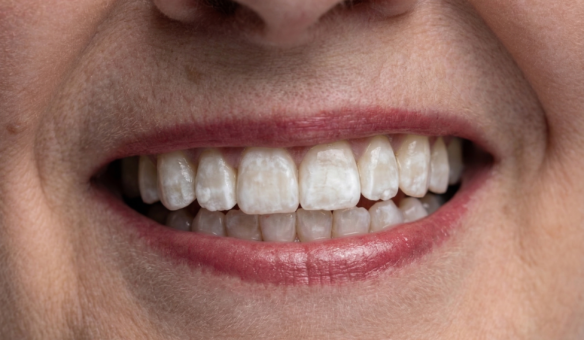
When done well, the results look natural. The resin is matched to your tooth colour and sculpted to blend with surrounding teeth, so the bonding doesn’t announce itself. Patients commonly choose it to fix a single chip, refine worn edges, or close a small gap between front teeth.
Good candidates usually have healthy teeth and gums and are looking for subtle cosmetic improvements rather than major changes. For larger alignment concerns, extensive damage, or heavy bite forces, options such as veneers, Invisalign, or restorative treatment may be more appropriate. Your dentist will talk through advantages, limitations and alternatives so you can make a confident decision.
Trusted by locals, loved by patients
See what our happy patients are saying on Google Reviews
EXCELLENT Based on 363 reviews
 Posted on Google
 Amy Cavanagh05/06/2025I can't express enough gratitude for the incredible support I've received from Gisborne Family Dental. Not only is the dental care fabulous, but the receptionist (Melissa) is consistently friendly, helpful, and goes above and beyond to assist. They truly bent over backwards to write supporting letters to help me apply for a special consideration for my two large university assignments that fell right when I had to have dental work completed. This level of empathy and dedication Dr Priscilla showed during a stressful period made me so grateful. Highly recommend them for their outstanding care and truly compassionate team!Posted on Google
 Wesley Fry04/06/2025Dr. Jacob is amazing. You won't be disappointed.Posted on Google
 Holly Tomlinson28/05/2025I cannot recommend this practise enough, especially Dr. Jack. I experienced a lot of anxiety regarding the dentist before being recommend to come here, however Dr. Jack is so thorough, gentle and informative, it always feels like I'm in good hands and now I don't experience that same anxiety before an appointment. Definitely the best dentist I've ever been to!Posted on Google
 Barbara Matthews19/05/2025My husband and I have recently moved to Australia from the UK, to join our son and daughter in law. We needed to register with a dentist. My son made an appointment for us at the Gisborne Family Dentist. Dr Bethany carried out our first check ups. She was very friendly and welcoming but also very thorough and explained the treatment she thought would be needed. She used the X ray images to explain her diagnosis and was very clear and thorough in her explanation. She also gave both of us an estimate of cost which we found very helpful . We have now returned for our necessary appointments and again were very comfortable with Dr Bethany's treatment. Everyone at the surgery is very friendly and helpful including the reception staff. We're so pleased to have found Dr Bethany and this practice.Posted on Google
 Josef Hanna17/04/2025Best dental place ever!! Everyone is so friendly and warm, best thing is the TV on the roof 😎 dentists are gentle and non judgmental. Highly recommend 😊Posted on Google
 Liv&G15/04/2025Such a great experience normally dread going to the dentist but Priscilla was lovely and made it very enjoyable highly recommend
Your assessment and treatment planning
Bonding starts with a proper dental assessment. We check your teeth, gums and bite, discuss what you’d like to change, and confirm whether bonding is the right fit. Factors like existing fillings, grinding habits, and gum health all influence whether the results will hold up well over time.
If whitening would benefit your smile, it’s usually best done before bonding so the resin shade can be matched to your brighter teeth. Some patients need a hygiene clean or repair of decay before cosmetic work begins.
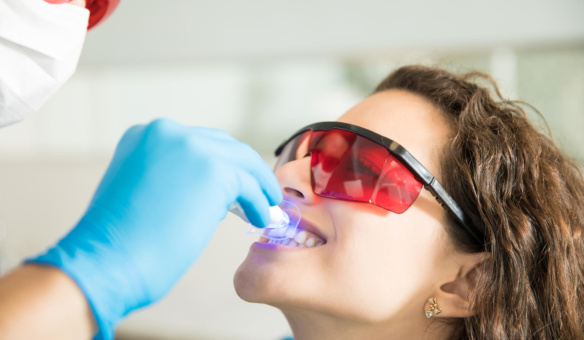
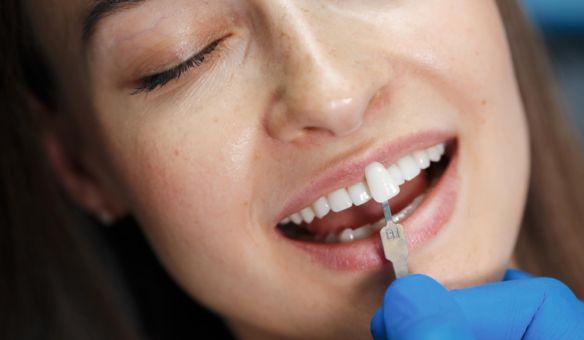
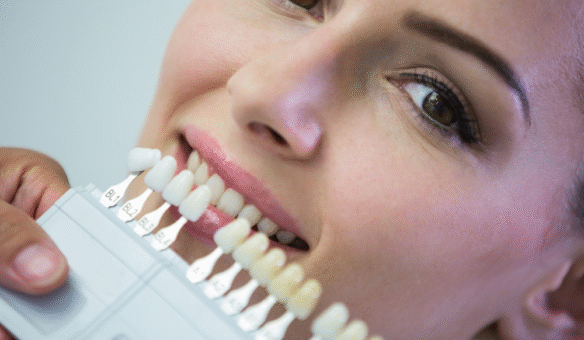
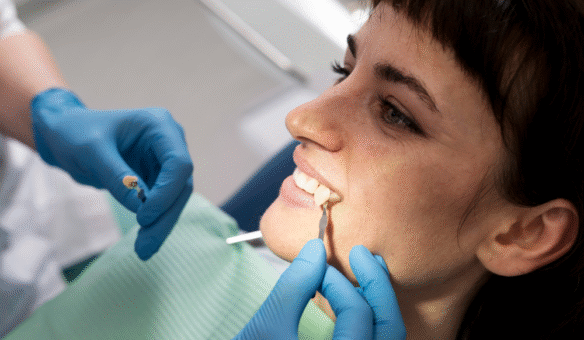
The bonding process itself involves selecting a shade, preparing the tooth surface lightly if needed, then sculpting and layering the resin. Once shaped, the material is hardened with a curing light and polished for a smooth, natural finish. Bonded teeth can need polishing, touch-ups or replacement over time, so we factor long-term care into your plan from the start.
Go on, chat to us about how you can get that smile you’ve always wanted.
Composite edge bonding and cosmetic refinements
Edge bonding targets the biting edges of teeth, the area most visible when you smile or speak. It’s a practical option for chipped front teeth, shortened edges from wear, or small asymmetries that make the smile line look uneven.
The goal is subtle. Lengthening or rebalancing teeth by even a small amount can make a noticeable difference to overall symmetry. But not every concern is best treated this way. Some patients are better suited to porcelain veneers or orthodontic treatment, and we’ll be upfront about that during your consultation.
What to realistically expect
Composite bonding works best when expectations are grounded. The finish you see on social media often involves professional lighting, filters, and angles that don’t reflect everyday conditions. A skilled dentist can achieve a beautiful, natural-looking result, but it won’t look like a filtered photo, and that’s actually the point. Bonding should blend in, not look artificial.
The shape, shade and contour all need to feel right in your mouth, not just look good in a mirror. If too much resin is added, bonding can feel bulky or thick against the tongue and lips. This is why conservative, precise layering matters, and why rushing the process leads to outcomes people aren’t happy with. We take time with each case to get the proportions and finish right.
Staining is the most common long-term frustration. Coffee, tea, red wine and smoking can discolour composite resin faster than natural enamel. Good oral hygiene and regular professional cleans help slow that process, but some colour change over the years is normal. Chipping is the other concern, particularly for people who grind their teeth or bite into hard foods. A nightguard can protect bonding if bruxism is an issue.
Composite bonding cost and payment options
Cost varies depending on the number of teeth, whether the work is a simple chip repair or detailed reshaping, and whether any other treatment is needed first. A single edge repair will differ in fee from a more involved cosmetic case covering several teeth.
We provide a personalised quote after your assessment so there are no surprises. Purely cosmetic treatment is generally not covered by Medicare, and private health fund rebates depend on your level of cover and the clinical nature of the work. Bonding is typically more affordable upfront than porcelain veneers, though it may require maintenance sooner.
We offer on-the-spot health fund claiming through HICAPS, and flexible payment options including Afterpay and Zip Money.
Considering bonding?
If you have a chipped tooth, worn edges, a small gap, or another subtle cosmetic concern, our team can explain your options and help you decide whether composite bonding is right for you. Get in touch to book a consultation.
Frequently Asked Questions
Bonding often lasts several years with good care. Longevity depends on bite forces, grinding habits, oral hygiene, diet and whether the bonding is on an edge or a broader surface. Some patients report their bonding holding up well for five years or more, particularly when protected with a nightguard. Touch-ups or replacement may be needed over time.
Costs vary by clinic, case complexity, number of teeth and extent of shaping. A consultation is needed for an accurate quote.
The most common complaints are staining from coffee, tea, wine or smoking, and chipping from hard foods or teeth grinding. Composite resin isn’t as durable as porcelain and may need maintenance or replacement. If too much material is applied, the result can also feel bulky until adjusted.
For minor chips, small gaps, uneven edges or subtle reshaping, bonding can be a great option. It preserves your natural enamel and delivers results in one visit. For major changes, other treatments may be more suitable.
Purely cosmetic dental treatment is generally not covered by Medicare. Private health fund rebates vary depending on your cover and the clinical purpose of treatment.
Neither is universally better. Bonding suits smaller corrections and is more conservative because it preserves enamel. Veneers suit larger cosmetic changes and can offer greater durability and stain resistance. Your dentist can recommend which is right for your situation.
Edge bonding is composite resin applied to the biting edges of teeth. It’s used for chips, wear and small aesthetic refinements to the smile line.
Yes. Bonding is commonly done on one or two teeth, for example matching two front teeth or closing a small gap. Colour matching and smile balance are considered during planning.
Usually yes. Your dentist may recommend avoiding very hard foods for a short period after treatment.